
At KCA University, research is more than the pursuit of knowledge, it is a catalyst for innovation, problem-solving, and societal transformation.
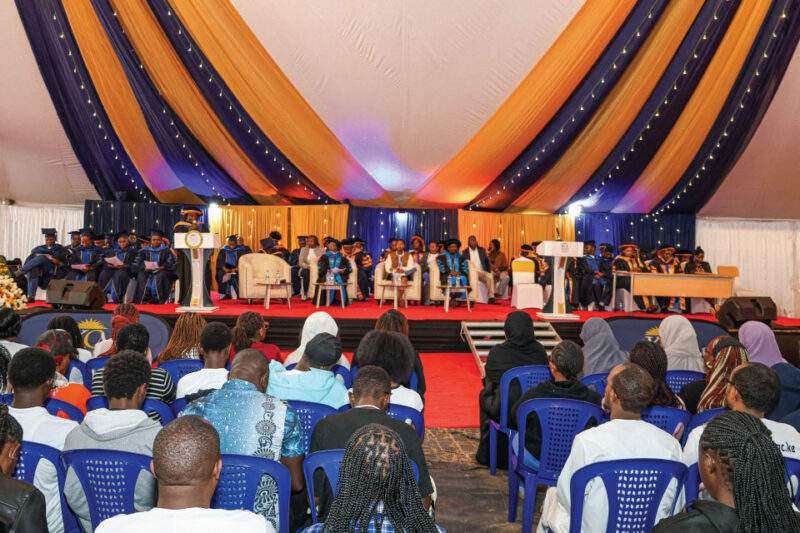
That commitment was on full display during the Second Postgraduate Research Dissemination Seminar, where postgraduate scholars showcased research addressing some of Kenya’s most pressing challenges, including food security, tax compliance, sustainable business practices, investment decision-making, and healthcare knowledge systems.
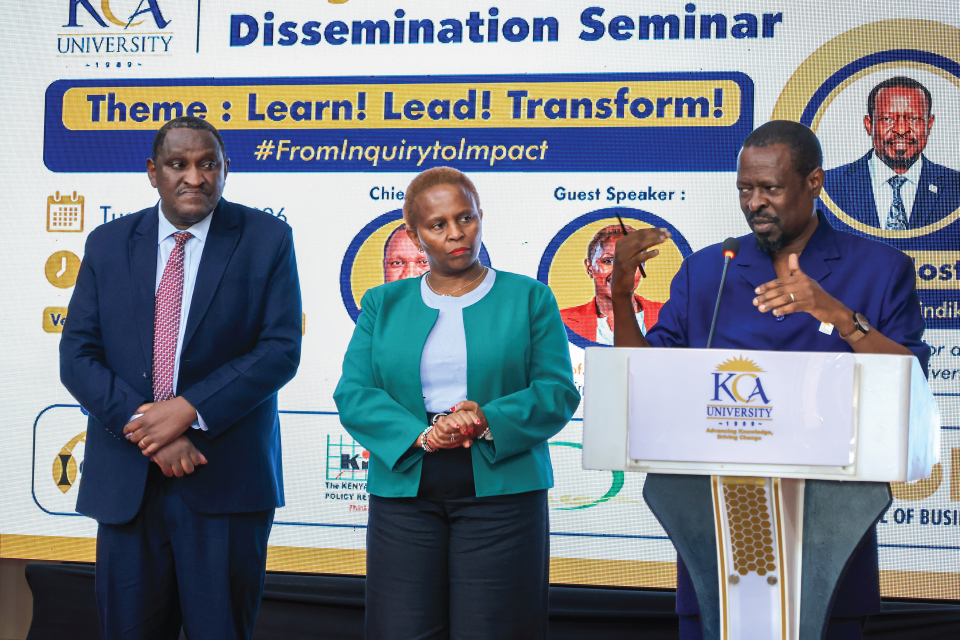
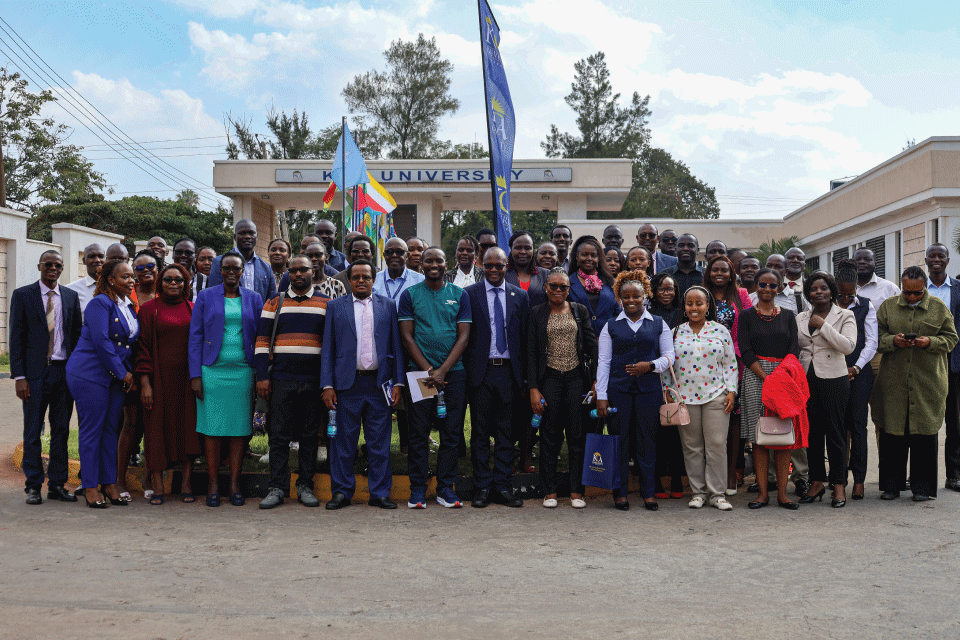
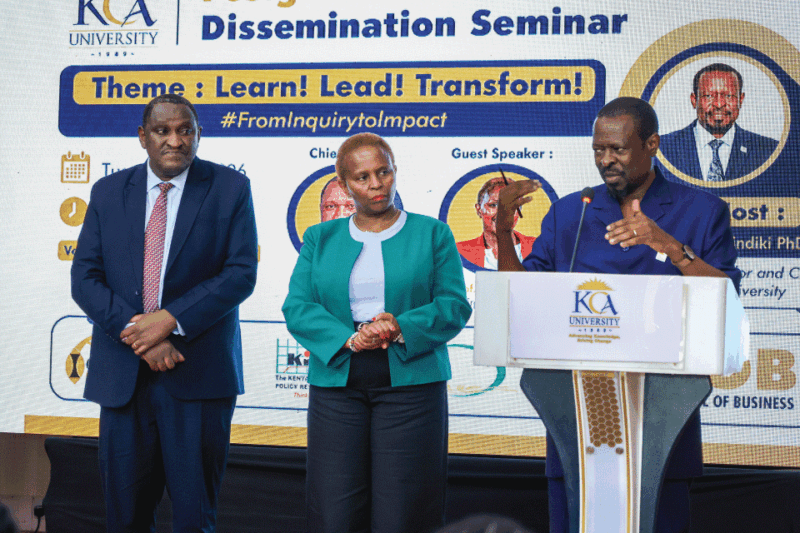
Held under the theme “Learn! Lead! Transform! – From Inquiry to Impact,” the seminar brought together postgraduate scholars, faculty members, students, staff, and distinguished guests from the research and professional community to share knowledge, discuss emerging findings, and explore how research can create meaningful impact beyond academia.

Opening the seminar, Chief Guest Dr. David Ngigi, Ag. Chief Executive Officer of the National Commission for Science, Technology and Innovation (NACOSTI), emphasized the transformative power of research in shaping the future.
“Research is the engine that drives the future.”
He challenged emerging scholars to remain responsive to changing realities and technological advancements, reminding participants that:
“The future will be shaped by researchers who anticipate change.”
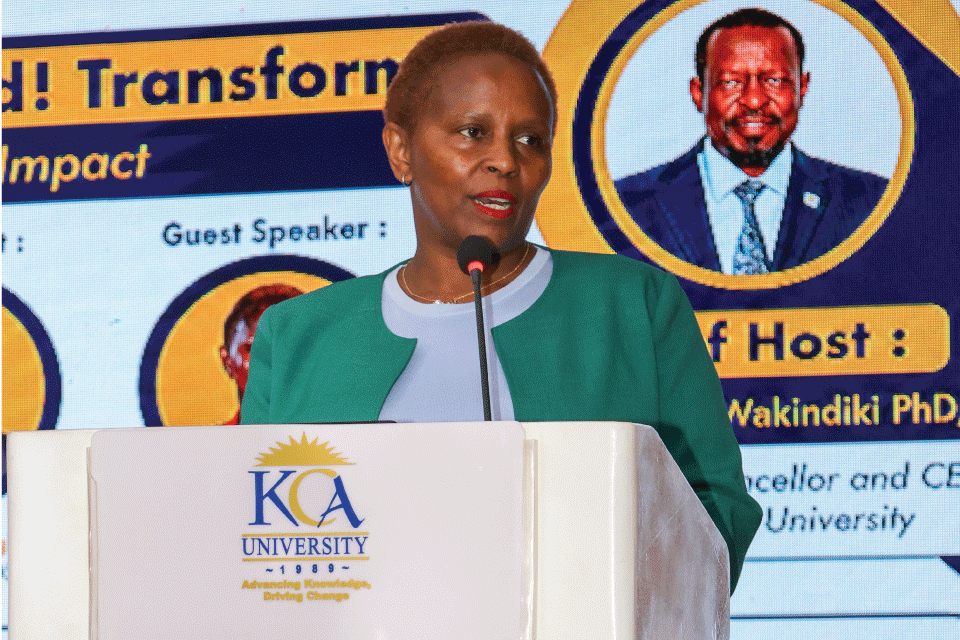
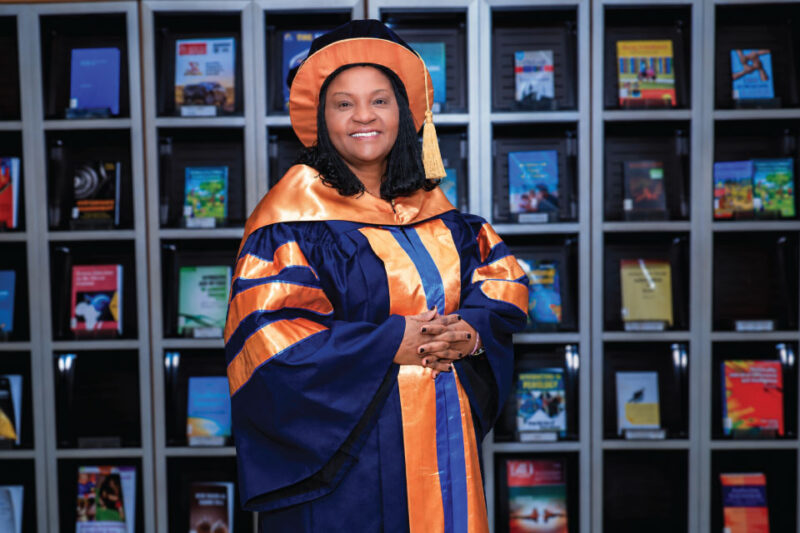
Delivering the keynote address, CPA Prof. Elizabeth Kalunda, Chairperson of the Institute of Certified Public Accountants of Kenya (ICPAK), underscored the importance of ensuring that research reaches beyond academic circles and contributes to society.

“Knowledge creates its greatest value when it is shared.”
Her remarks reinforced the need for researchers to actively engage policymakers, industry, and communities so that research findings can drive informed decision-making and sustainable development.
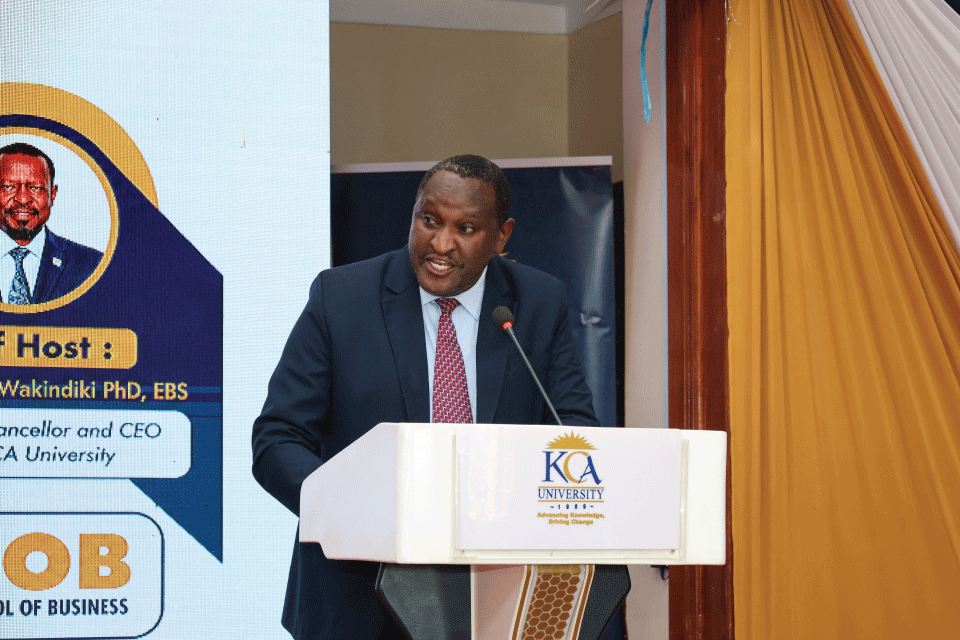
In his remarks, KCA University Vice Chancellor and CEO, Prof. Isaiah I.C. Wakindiki, PhD, EBS, reaffirmed the University’s commitment to nurturing a vibrant research culture and strengthening the connection between research, innovation, and societal impact.

“The true measure of research lies not only in its academic rigour but also in the impact it creates.”
He noted that KCA University continues to invest in postgraduate programmes, quality research supervision, strategic partnerships, and research infrastructure to ensure that research outcomes translate into publications, innovations, intellectual property, and practical solutions that create measurable value for society.
The research presented during the seminar reflected the diversity, relevance, and real-world application of postgraduate scholarship at KCA University. From enhancing agricultural productivity and food security to strengthening digital tax administration, advancing sustainable business practices, informing investment decisions, and improving access to nutrition knowledge, the studies showcased the practical role of research in addressing contemporary challenges facing Kenya.
Beyond showcasing research findings, the seminar reaffirmed KCA University’s commitment to advancing research excellence and creating opportunities for scholars to translate knowledge into solutions that benefit communities, industry, and society. It also provided a platform for postgraduate students to share their work, receive valuable feedback, and engage in meaningful scholarly dialogue.

As participants reflected on the discussions and research showcased throughout the day, one message stood out: research achieves its greatest value when it moves beyond discovery to create meaningful change. Through initiatives such as the Postgraduate Research Dissemination Seminar, KCA University continues to strengthen the link between scholarship, innovation, and societal impact, ensuring that research contributes meaningfully to national development and the transformation of lives.