
What happens when research translates into solutions, ideas become enterprises, and curiosity drives innovations that address real-world challenges?
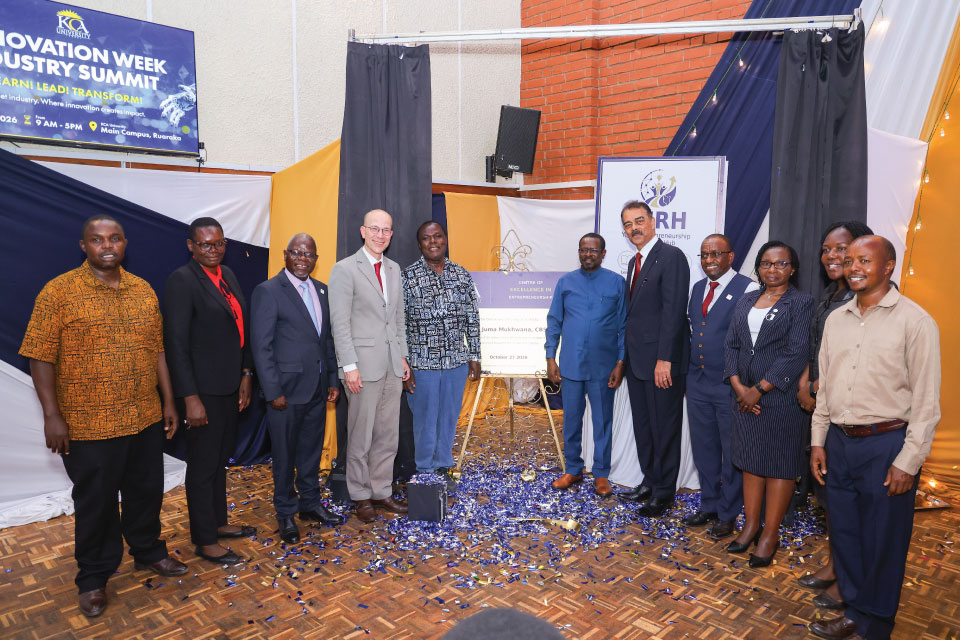
These questions shaped the 5th KCA University Innovation Week & Industry Summit, held from 27 to 29 October 2026 at the University’s Main Campus in Ruaraka, under the theme Learn! Lead! Transform!
Bringing together academia, industry, government, development partners and student innovators, the three-day event explored how knowledge, research and creativity can translate into practical solutions that drive development.

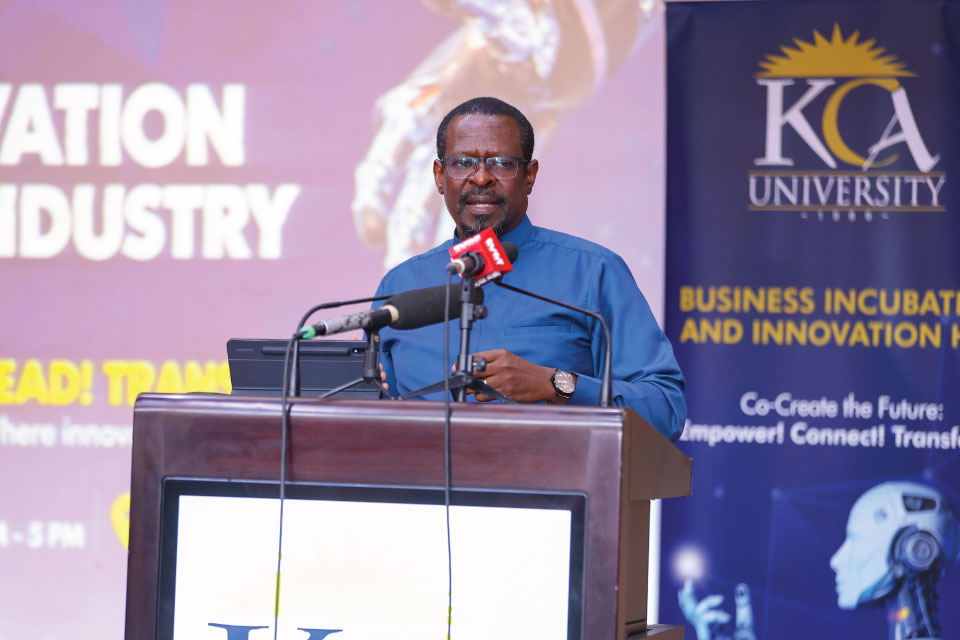
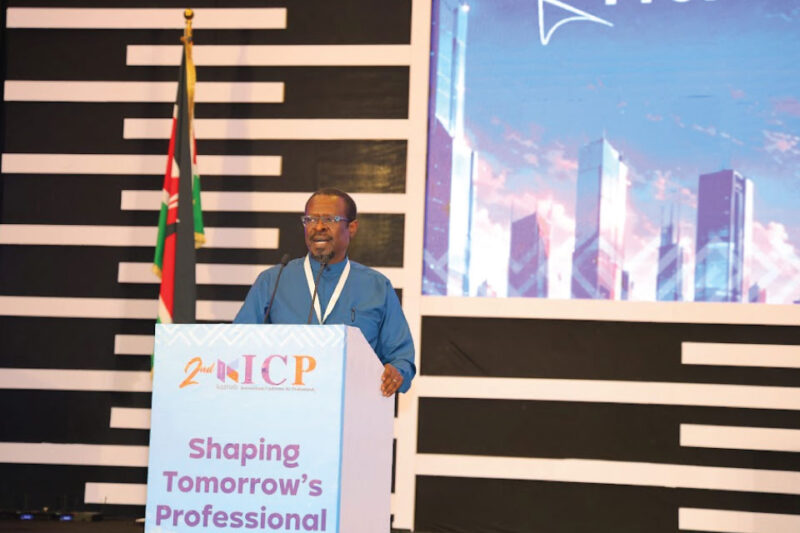
Opening the summit, KCA University Vice Chancellor & CEO, Prof. Isaiah I.C. Wakindiki, PhD, EBS, captured the essence of the University’s innovation agenda with a powerful reminder: “Research that stays on a shelf protects no one.” He challenged universities to move beyond academic publications and embrace research that responds to societal needs, informs decisions and generates practical solutions.

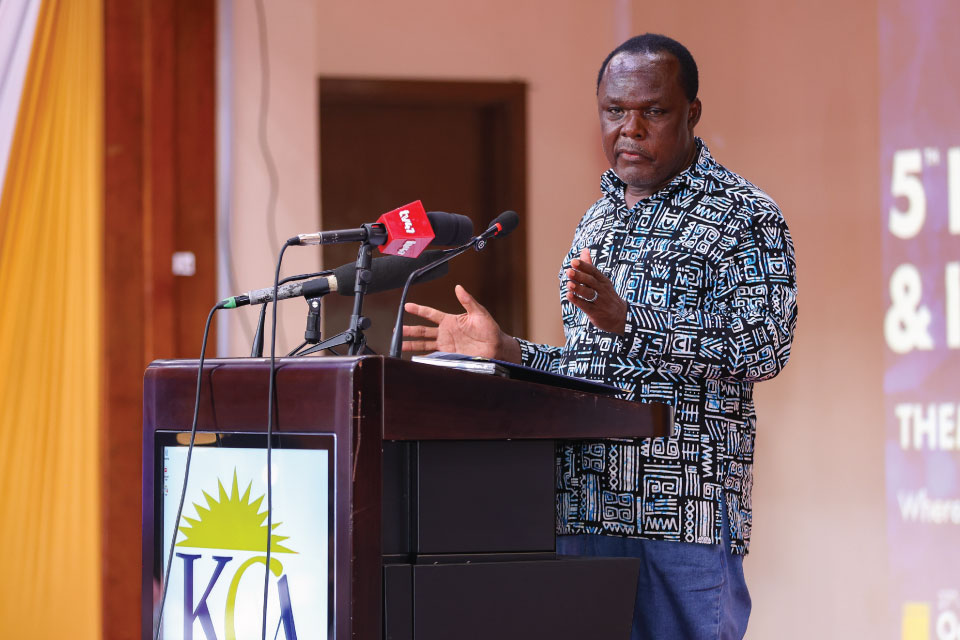
The Chief Guest, Dr Juma Mukhwana, CBS, PhD, Principal Secretary, State Department for Industry, Ministry of Investments, Trade and Industry, reinforced this message, challenging universities to nurture innovators capable of creating solutions, building enterprises and generating employment. “Let us not simply graduate students into the future. Let us graduate innovators who will create that future,” he urged.
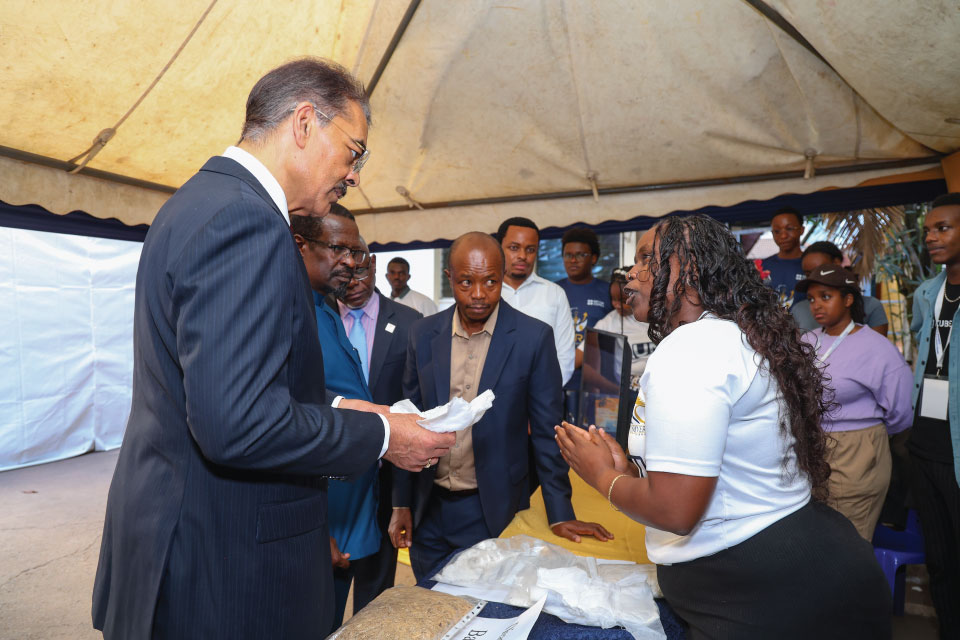
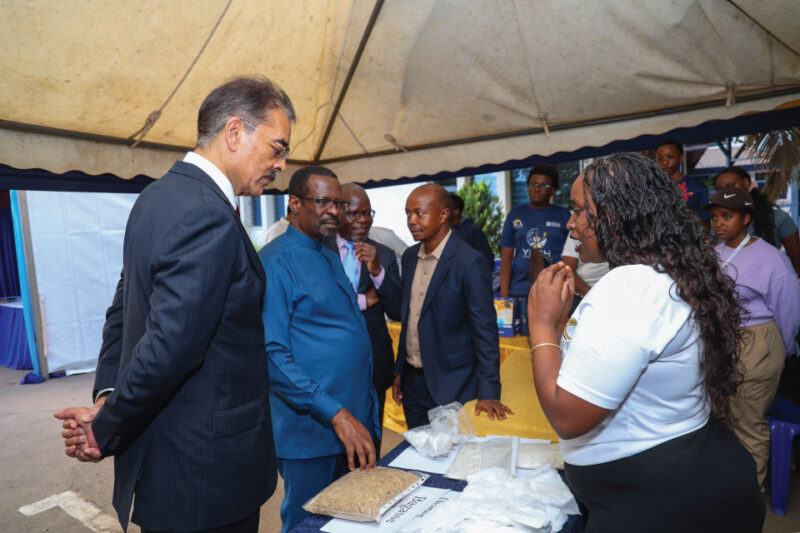
This ambition came to life through the student innovation showcase, where learners demonstrated how classroom knowledge, technical skills and creative thinking could be translated into solutions for real-world challenges.

Among the innovations showcased was a biodegradable diaper developed by Maria Charlene. Her innovation seeks to address the environmental impact of conventional disposable diapers by offering families a more sustainable diapering solution while contributing to efforts to reduce everyday waste.
Another notable innovation was OmniSense, developed by Andrew Macharia, a Bachelor of Science in Information Technology student. The plug-and-play instrumentation and control ecosystem for Internet of Things (IoT) devices demonstrated the potential of student-led technological solutions to address practical needs.
Also featured was KORA, developed by Amillia Rehan, a second-year Bachelor of Data Science student. The intelligent safety monitoring system uses sensors, computer vision and artificial intelligence to detect potential threats, including fire and robbery, and send real-time alerts.

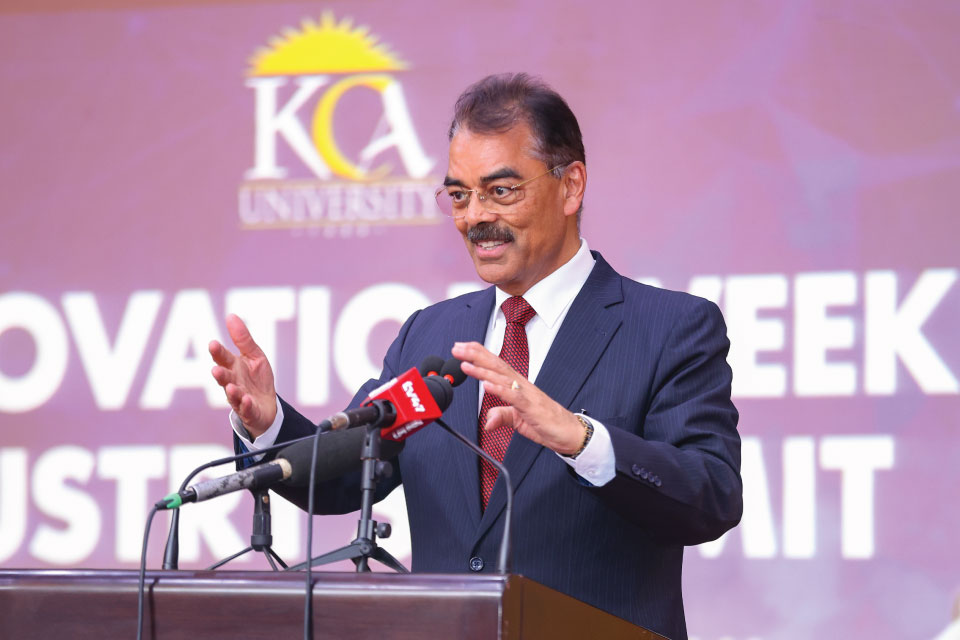
Beyond the showcases, the summit featured a keynote address by Vimal Shah, CBS, Chairman and Co-Founder of Bidco Africa, who encouraged students to believe in their abilities, make use of available resources and take initiative in turning their ideas into reality.

The event also marked an important milestone in strengthening the University’s entrepreneurship ecosystem through the launch of the Centre of Excellence in Entrepreneurship (CoEE) and the Youth Entrepreneurship Resource Hub (YERH) Portal. These initiatives provide an institutional foundation for nurturing entrepreneurial thinking and supporting the progression of ideas towards practical application.
The engagements further highlighted the importance of collaboration between universities, industry, government and development partners in advancing innovation. While academia generates knowledge and develops talent, industry provides market insights, government offers policy direction, and development partners contribute expertise and opportunities. Together, these relationships create pathways for research and ideas to be tested, refined and translated into impact.
As KCA University advances its ambition of becoming an innovation-driven, globally competitive business and technology university, the message of Learn! Lead! Transform! extends beyond the three-day summit. It calls on students to question, experiment and create, researchers to make their work count beyond academic publications, and industry to support emerging ideas.
Ultimately, the measure of innovation is not simply the number of ideas generated, but the solutions they create and the lives they transform. Because research finds its greatest value not when it stays on a shelf, but when it makes a difference in society.